Go Back
Order Management System
Order Management System
Order Management System
Order Management System
An internal CRM used by 2,000+ sales agents across 16 geographies, supporting live customer calls and generating approximately $400M in annual revenue for Pens.com.
The tool enabled agents to configure personalized products, pricing, and accessories in real time while interacting with customers.
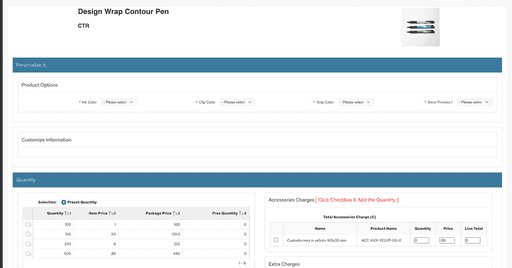
The image below shows the legacy OMS interface before redesign — a cluttered, scroll-heavy layout that slowed agents down and made order creation error-prone
An internal CRM used by 2,000+ sales agents across 16 geographies, supporting live customer calls and generating approximately $400M in annual revenue for Pens.com.
The tool enabled agents to configure personalized products, pricing, and accessories in real time while interacting with customers.
The image below shows the legacy OMS interface before redesign — a cluttered, scroll-heavy layout that slowed agents down and made order creation error-prone
An internal CRM used by 2,000+ sales agents across 16 geographies, supporting live customer calls and generating approximately $400M in annual revenue for Pens.com.
The tool enabled agents to configure personalized products, pricing, and accessories in real time while interacting with customers.
The image below shows the legacy OMS interface before redesign — a cluttered, scroll-heavy layout that slowed agents down and made order creation error-prone
An internal CRM used by 2,000+ sales agents across 16 geographies, supporting live customer calls and generating approximately $400M in annual revenue for Pens.com.
The tool enabled agents to configure personalized products, pricing, and accessories in real time while interacting with customers.
The image below shows the legacy OMS interface before redesign — a cluttered, scroll-heavy layout that slowed agents down and made order creation error-prone
Employer:
Employer:
Cimpress
Role:
UX Designer
Year:
2025
Problem Statement
The existing system supported only one product per order. This constraint significantly increased turnaround time, especially when customers requested multiple products or variations within the same call. Introducing multi-order functionality was critical but risky. Any existing errors in a single-order flow would multiply once agents began placing multiple orders in one session.
The challenge was not just adding capability, but ensuring the system scaled safely under cognitive and operational pressure.
Problem Statement
The existing system supported only one product per order. This constraint significantly increased turnaround time, especially when customers requested multiple products or variations within the same call. Introducing multi-order functionality was critical but risky. Any existing errors in a single-order flow would multiply once agents began placing multiple orders in one session.
The challenge was not just adding capability, but ensuring the system scaled safely under cognitive and operational pressure.
Problem Statement
The existing system supported only one product per order. This constraint significantly increased turnaround time, especially when customers requested multiple products or variations within the same call. Introducing multi-order functionality was critical but risky. Any existing errors in a single-order flow would multiply once agents began placing multiple orders in one session.
The challenge was not just adding capability, but ensuring the system scaled safely under cognitive and operational pressure.
My Role
In-house UX Designer at Pens.com
Sole designer on the project
Worked closely with Product, Engineering, and Business stakeholders
Operated in an agile environment
Project duration: ~4 months (design to development)
My Role
In-house UX Designer at Pens.com
Sole designer on the project
Worked closely with Product, Engineering, and Business stakeholders
Operated in an agile environment
Project duration: ~4 months (design to development)
My Role
In-house UX Designer at Pens.com
Sole designer on the project
Worked closely with Product, Engineering, and Business stakeholders
Operated in an agile environment
Project duration: ~4 months (design to development)
My Role
In-house UX Designer at Pens.com
Sole designer on the project
Worked closely with Product, Engineering, and Business stakeholders
Operated in an agile environment
Project duration: ~4 months (design to development)
Research & Discovery
The first two weeks were focused on understanding where the system was breaking down, before designing any solutions. This was essential because multi-order functionality would amplify existing issues rather than fix them.
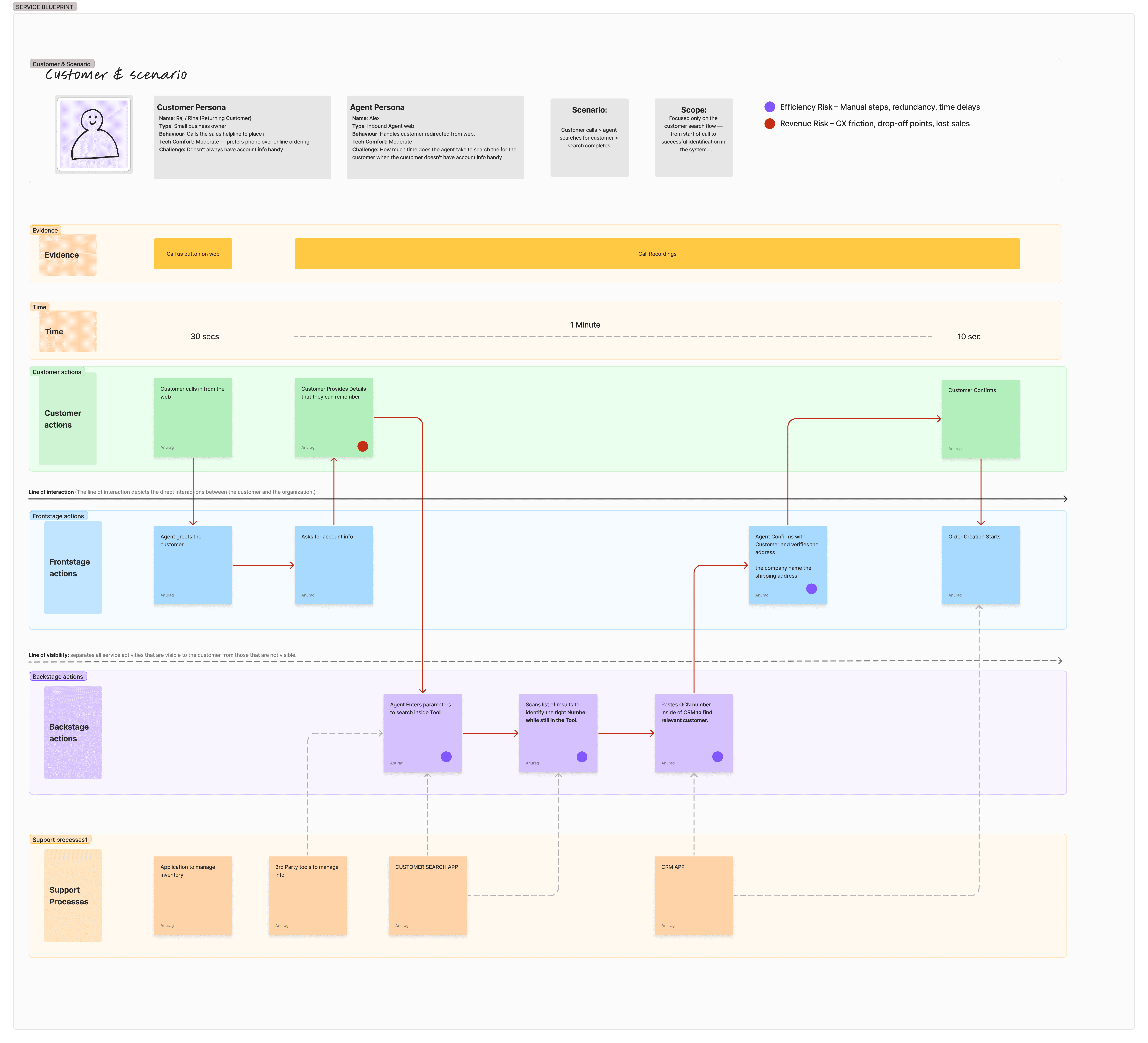
I began with a 45-minute service blueprinting session to understand the full ecosystem agents operated within during live calls.
Key discovery:
Agents relied on multiple disconnected tools to gather customer, product, and pricing information—creating information fragmentation and high cognitive load even before interacting with the CRM.
To understand real usage patterns, I conducted 1 hour interviews with 10 sales agents, selected across:
Different geographies
Experience levels
Market contexts
The focus was on behaviour, not opinions—where agents paused, double-checked, or worked around the system.
Research & Discovery
The first two weeks were focused on understanding where the system was breaking down, before designing any solutions. This was essential because multi-order functionality would amplify existing issues rather than fix them.
I began with a 45-minute service blueprinting session to understand the full ecosystem agents operated within during live calls.
Key discovery:
Agents relied on multiple disconnected tools to gather customer, product, and pricing information—creating information fragmentation and high cognitive load even before interacting with the CRM.
To understand real usage patterns, I conducted 1 hour interviews with 10 sales agents, selected across:
Different geographies
Experience levels
Market contexts
The focus was on behaviour, not opinions—where agents paused, double-checked, or worked around the system.
Research & Discovery
The first two weeks were focused on understanding where the system was breaking down, before designing any solutions. This was essential because multi-order functionality would amplify existing issues rather than fix them.
I began with a 45-minute service blueprinting session to understand the full ecosystem agents operated within during live calls.
Key discovery:
Agents relied on multiple disconnected tools to gather customer, product, and pricing information—creating information fragmentation and high cognitive load even before interacting with the CRM.
To understand real usage patterns, I conducted 1 hour interviews with 10 sales agents, selected across:
Different geographies
Experience levels
Market contexts
The focus was on behaviour, not opinions—where agents paused, double-checked, or worked around the system.
Research & Discovery
The first two weeks were focused on understanding where the system was breaking down, before designing any solutions. This was essential because multi-order functionality would amplify existing issues rather than fix them.
I began with a 45-minute service blueprinting session to understand the full ecosystem agents operated within during live calls.
Key discovery:
Agents relied on multiple disconnected tools to gather customer, product, and pricing information—creating information fragmentation and high cognitive load even before interacting with the CRM.
To understand real usage patterns, I conducted 1 hour interviews with 10 sales agents, selected across:
Different geographies
Experience levels
Market contexts
The focus was on behaviour, not opinions—where agents paused, double-checked, or worked around the system.
Design Direction
Based on research and technical constraints, the design focused on:
Reducing cognitive load through decision sequencing
Preserving a single-page layout due to agent familiarity and backend constraints
Structuring the experience around how agents think, not how data is stored
Introducing multi-order functionality without increasing error risk
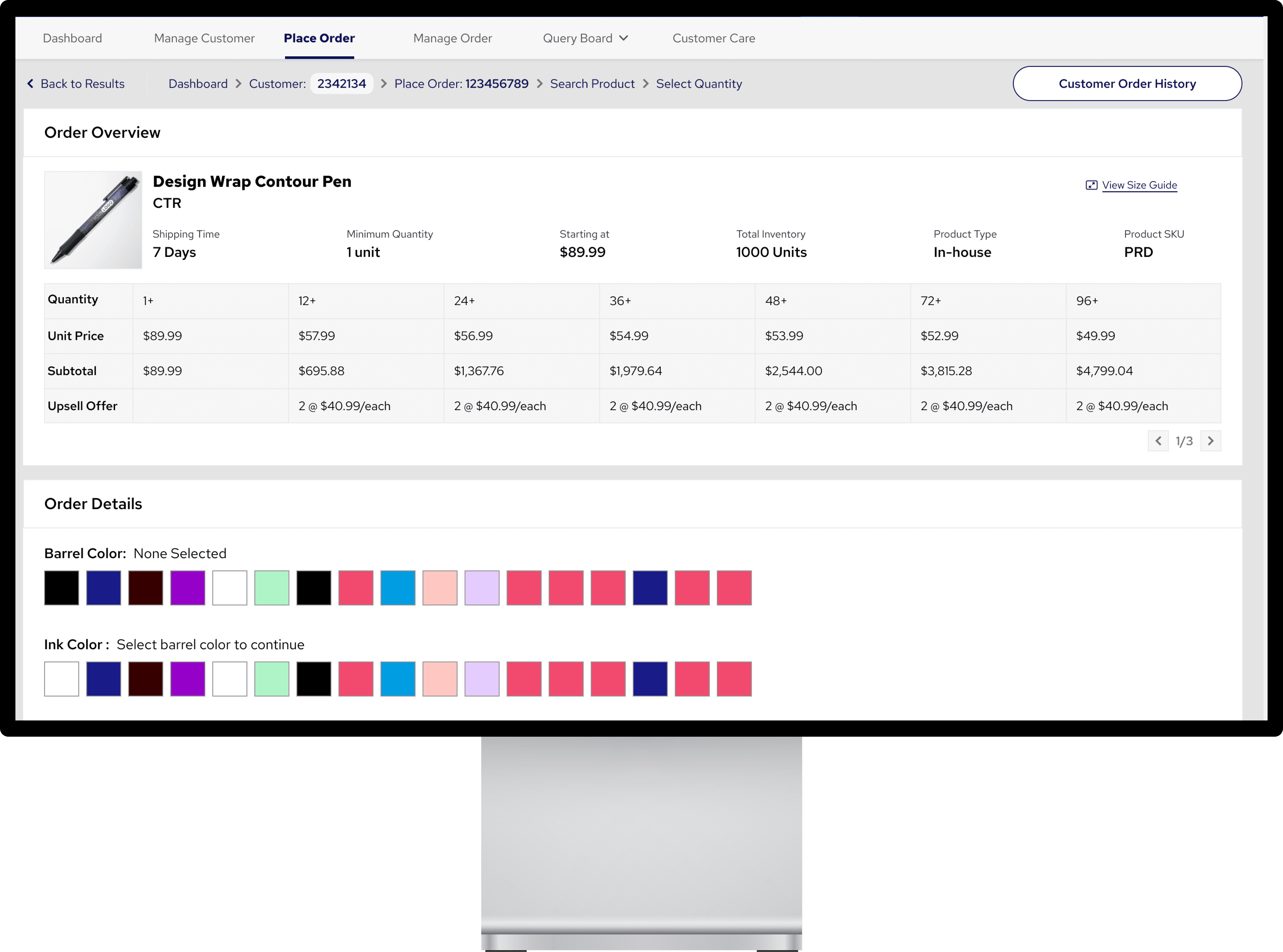
Rather than redesigning the container, the effort centered on restructuring decisions, hierarchy, and feedback.
Design Direction
Based on research and technical constraints, the design focused on:
Reducing cognitive load through decision sequencing
Preserving a single-page layout due to agent familiarity and backend constraints
Structuring the experience around how agents think, not how data is stored
Introducing multi-order functionality without increasing error risk
Rather than redesigning the container, the effort centered on restructuring decisions, hierarchy, and feedback.
Design Direction
Based on research and technical constraints, the design focused on:
Reducing cognitive load through decision sequencing
Preserving a single-page layout due to agent familiarity and backend constraints
Structuring the experience around how agents think, not how data is stored
Introducing multi-order functionality without increasing error risk
Rather than redesigning the container, the effort centered on restructuring decisions, hierarchy, and feedback.
Design Direction
Based on research and technical constraints, the design focused on:
Reducing cognitive load through decision sequencing
Preserving a single-page layout due to agent familiarity and backend constraints
Structuring the experience around how agents think, not how data is stored
Introducing multi-order functionality without increasing error risk
Rather than redesigning the container, the effort centered on restructuring decisions, hierarchy, and feedback.
Outcomes
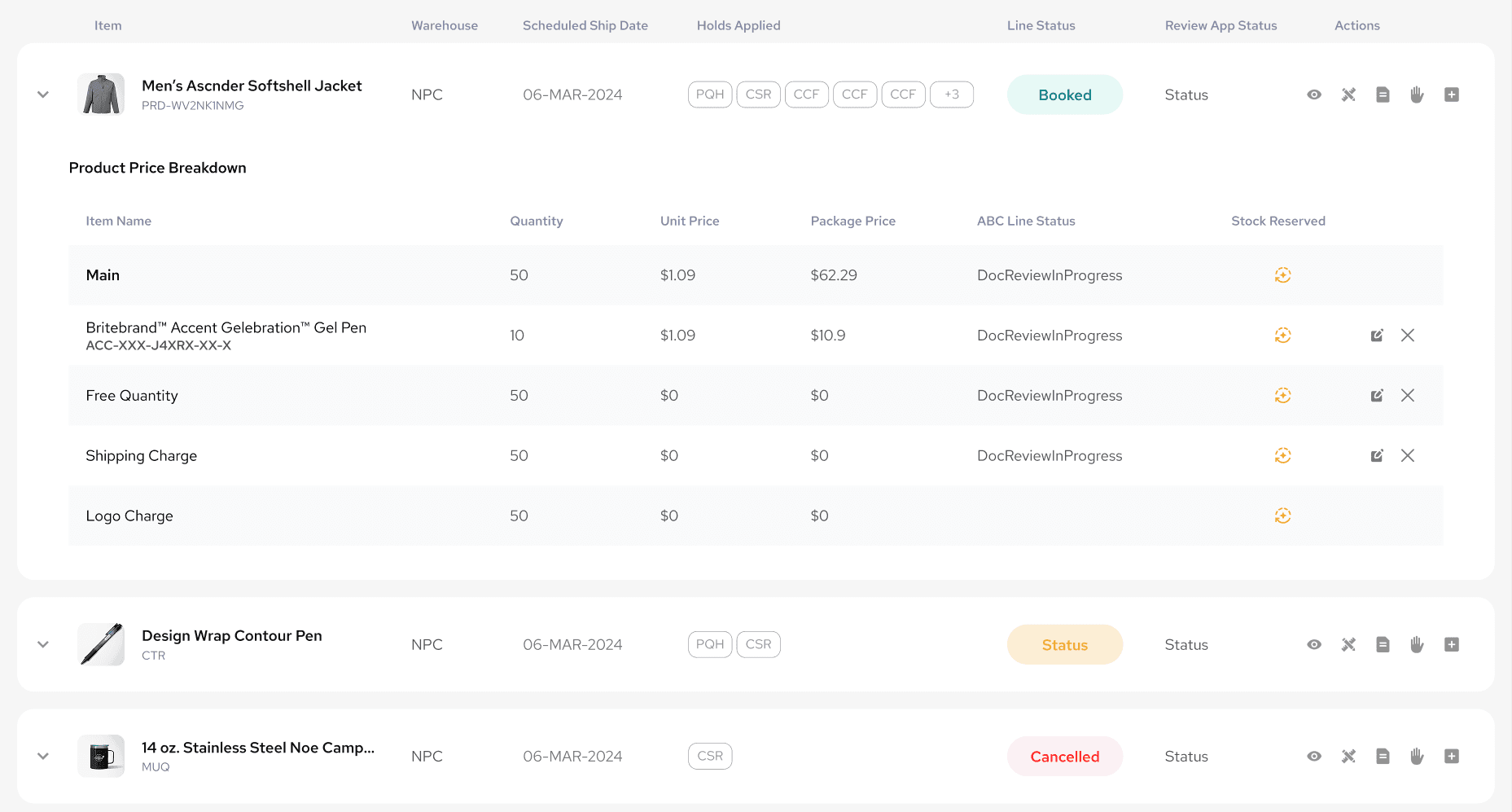
Enabled multi-order creation within a single flow
Reduced agent rework and hesitation during live calls
Improved clarity around quantity, variations, and accessories
Designed within technical and operational constraints to ensure safe rollout
Outcomes
Enabled multi-order creation within a single flow
Reduced agent rework and hesitation during live calls
Improved clarity around quantity, variations, and accessories
Designed within technical and operational constraints to ensure safe rollout
Outcomes
Enabled multi-order creation within a single flow
Reduced agent rework and hesitation during live calls
Improved clarity around quantity, variations, and accessories
Designed within technical and operational constraints to ensure safe rollout
Outcomes
Enabled multi-order creation within a single flow
Reduced agent rework and hesitation during live calls
Improved clarity around quantity, variations, and accessories
Designed within technical and operational constraints to ensure safe rollout
Impact
Reduced average handling time per order by eliminating redundant steps by almost 50%.
Enabled agents to process more orders per day, improving throughput.
Lowered error rates by enforcing structured, guided workflows.
Supported the company’s digital transformation, aligning the design with React migration and scalability needs
Impact
Reduced average handling time per order by eliminating redundant steps by almost 50%.
Enabled agents to process more orders per day, improving throughput.
Lowered error rates by enforcing structured, guided workflows.
Supported the company’s digital transformation, aligning the design with React migration and scalability needs
Impact
Reduced average handling time per order by eliminating redundant steps by almost 50%.
Enabled agents to process more orders per day, improving throughput.
Lowered error rates by enforcing structured, guided workflows.
Supported the company’s digital transformation, aligning the design with React migration and scalability needs